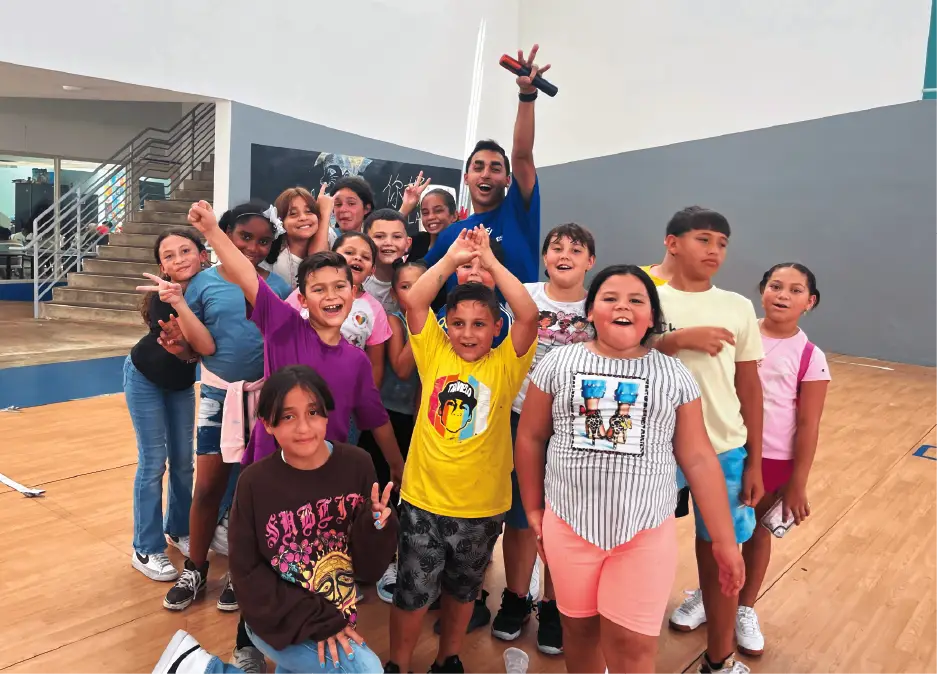
In neighborhoods shaped by decades of disinvestment, the bonds between residents are often the most valuable resource that remains. PSI's community programs are built on this understanding. Rather than arriving with a top-down blueprint, PSI begins by listening to the people who have lived in these communities for generations, learning what they value, what they have lost, and what they hope to build. The result is a set of programs that treat social connection not as a byproduct of development but as its foundation.
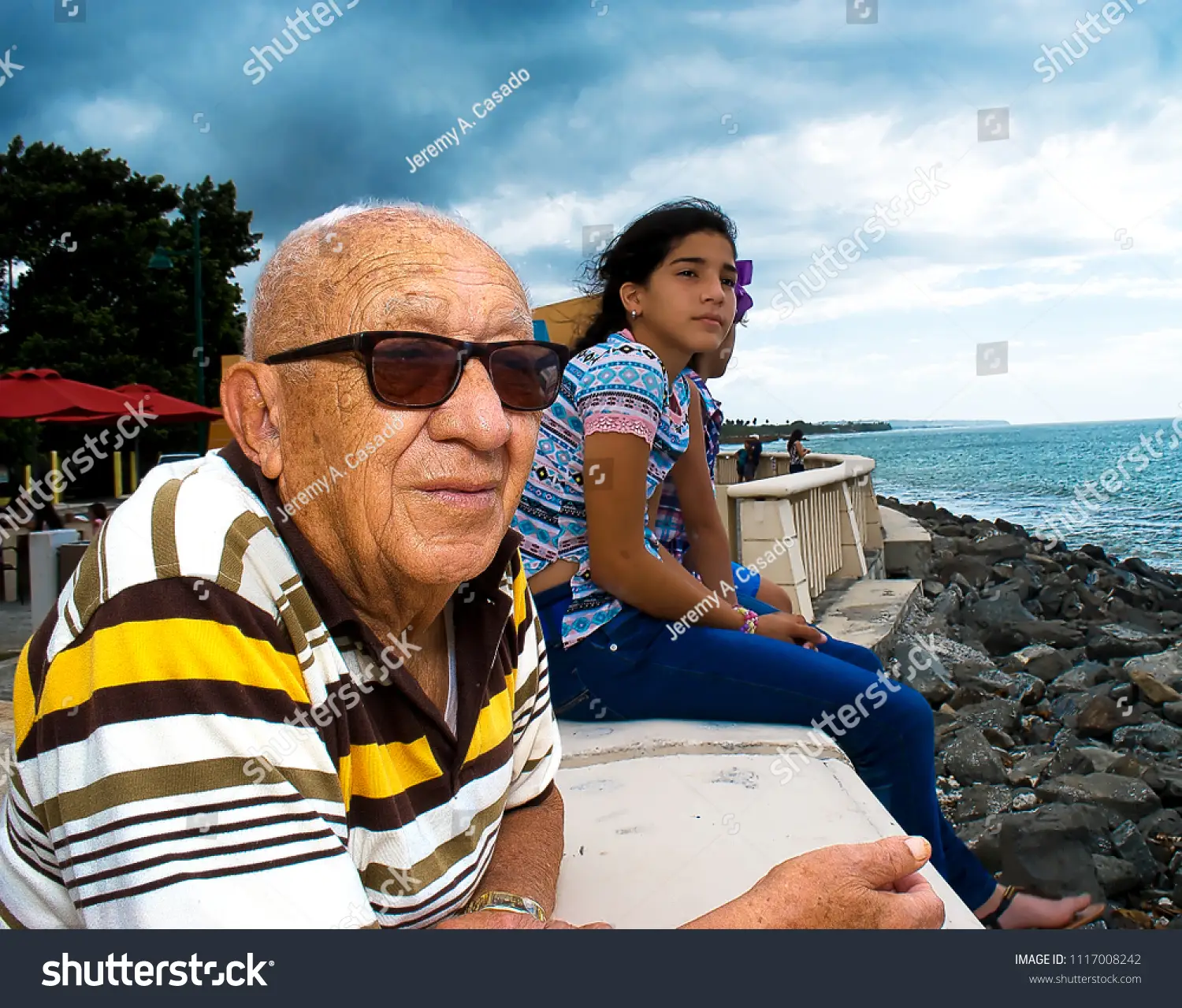
One of PSI's most distinctive initiatives is its intergenerational programming, which deliberately brings together elders and young people in structured, meaningful ways. Weekly storytelling circles invite long-time residents to share the history of their neighborhoods with children and teenagers, preserving oral traditions that might otherwise be lost. Cooking workshops pair abuelas with young adults learning to prepare traditional dishes, turning recipes into vehicles for cultural transmission. Mentorship pairings connect retired professionals with high school students exploring career paths. These are not casual encounters; they are carefully designed programs that build trust, transfer knowledge, and give both generations a renewed sense of purpose and belonging.
PSI also serves as the organizing force behind regular community events that draw residents out of isolation and into shared spaces. Monthly neighborhood assemblies provide a forum for residents to voice concerns, propose ideas, and participate directly in decisions that affect their streets and plazas. Seasonal festivals celebrate Puerto Rican culture through music, dance, art, and food, drawing hundreds of attendees and giving local vendors and artists a platform to showcase their work. These gatherings may appear informal, but they serve a critical function: they rebuild the social infrastructure that economic hardship and natural disasters have eroded.
"I have lived in Villa Prades for forty-three years. There was a time when we knew every family on the block, when the children played together and the adults watched out for each other. That spirit faded for a while, but PSI helped us find it again. Now when I walk to the plaza, people greet me by name. That matters more than anything."
-- Don Rafael Torres, Villa Prades Resident since 1981
Neighborhood beautification and cultural preservation are twin pillars of PSI's community work. Volunteer-led mural projects have transformed blank walls and deteriorating facades into vibrant works of public art that tell the stories of each neighborhood. Community gardens have reclaimed abandoned lots, providing both fresh produce and a gathering place for neighbors. PSI has also worked with residents to document and protect historic sites, advocate for infrastructure improvements, and establish neighborhood identity markers such as welcome signs and wayfinding installations. These physical changes send a powerful message: this place matters, and the people who live here are its rightful stewards.
The connection between strong social bonds and economic mobility is well supported by research, and PSI sees it play out in practice every day. Residents who trust their neighbors are more likely to share job leads, pool resources for childcare, and support each other's small businesses. Community networks serve as informal safety nets during emergencies and as amplifiers of opportunity during calmer times. PSI's programs strengthen these networks intentionally, creating the conditions in which economic development efforts such as workforce training and microloans are far more likely to succeed.
The transformation of Villa Prades stands as a powerful example of what becomes possible when community bonds are prioritized. A decade ago, the neighborhood was marked by vacant buildings, high crime rates, and a deep sense of resignation among residents. PSI began its work there not with construction projects or business programs but with listening sessions and community meals. Over time, as trust grew, residents became co-designers of their neighborhood's future. Today Villa Prades has an active neighborhood council, a community garden that feeds dozens of families, a youth arts program, and a growing cluster of resident-owned businesses. The physical landscape has changed, but more importantly, the sense of collective possibility has returned. Villa Prades is the proof that lasting change begins not with capital but with connection.